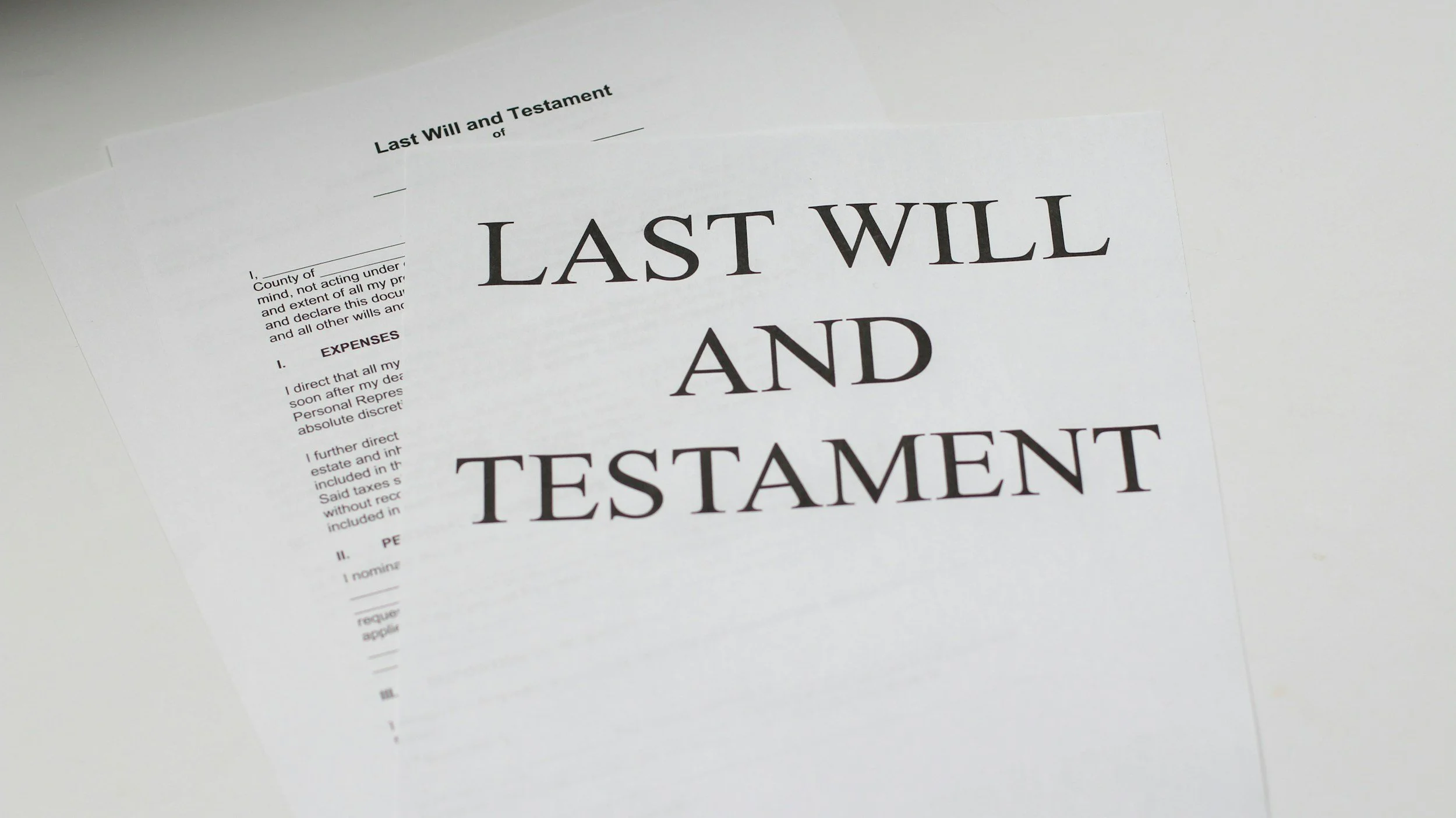
What Does a Personal Representative Do in Alabama After Someone Dies?
April 27, 2026
When someone passes away in Alabama, the person named in their will as the personal representative is responsible for handling their estate. This process is known as estate administration, and in many cases, it involves going through probate in the local probate court. Below is step-by-step instructions for a personal representative for seamless administration.
1. File the Will and Open the Estate
The first step is filing the original will with the probate court in the county where the deceased person lived.
The court will then:
Admit the will to probate
Appoint the personal representative
Issue Letters Testamentary, which gives legal authority to act on behalf of the estate
Without these Letters, the personal representative cannot legally access accounts, sell property, or distribute assets.
Filing the will and getting appointed as personal representative typically takes about 1–3 weeks in many counties, sometimes longer if the court is busy or there are issues in the will, and sometimes shorter if the will is simple and uncontested.
What actually takes time isn’t just filing the will, it’s the court formally appointing the personal representative and issuing Letters Testamentary.
2. Identify and Secure Estate Assets
Once appointed, the personal representative must locate and protect all estate assets, including:
Bank accounts
Real estate
Vehicles
Personal property
Investment accounts
In Alabama, the personal representative has a duty to act in the best interest of the estate and its beneficiaries.
3. Notify Creditors
Alabama law requires that creditors be given an opportunity to make claims against the estate.
This typically involves notifying known creditors and publishing a notice in a local newspaper. Creditors generally have a limited time to file claims, and failing to properly notify them can create issues later in the process.
This is where many personal representatives mess up.
In most cases, for the Alabama Creditor Notice, you’re looking at a minimum of 6 months.
Here’s why:
Once notice is properly given, creditors generally have 6 months to file claims against the estate
This timeline runs from the granting of Letters Testamentary (as mentioned in step 1 above)
Key Takeaways for Alabama Creditor Notice:
Duration: Publication must run once a week for three consecutive weeks.
Deadline: Creditors generally have six months from the grant of letters of administration/testamentary (or five months from the first publication, whichever is later) to file claims.
4.Pay Debts, Expenses, and Taxes
Before distributing assets, the personal representative must pay valid estate obligations, in the following order:
Funeral expenses: Costs associated with burial or cremation.
Administrative fees: Expenses for administering the estate, including attorney fees and personal representative compensation.
Expenses of the last sickness: Medical bills and healthcare costs incurred during the deceased's final illness.
Taxes: Taxes assessed against the estate prior to death, including federal income taxes.
Employee wages: Debts owed to employees for services rendered within the year of death.
All other debts: General creditors, such as credit cards and personal loans.
Alabama has a priority order for paying claims, and the personal representative must follow that order carefully.
Do Not Pay Prematurely: Executors should not pay claims until the six-month creditor period (see step 3) expires.
5. Distribute Assets According to the Will
After debts and expenses are resolved, the remaining assets are distributed to beneficiaries according to the terms of the will.
This may include:
Transferring real estate
Distributing funds
Dividing personal property
If the will includes specific instructions, the personal representative is responsible for carrying them out.
6. Close the Estate
Finally, the personal representative files the necessary paperwork with the probate court to close the estate. To close the estate in Alabama, the personal representative must file:
Petition to close the estate
An accounting showing all assets received and payments made
Documentation confirming that beneficiaries received their distributions
Once the court reviews and approves these filings, the estate is officially closed and the personal representative is discharged.
Need Help Administering an Estate?
If you’ve been named as a personal representative or have questions about probate in Alabama, our office can guide you through each step of the process and help you avoid common pitfalls. Contact us!